
Not That One
On our first night, an ostrich truck got stuck against a tree. The answer seemed obvious: work around it. Months later, the answer was no longer so simple.
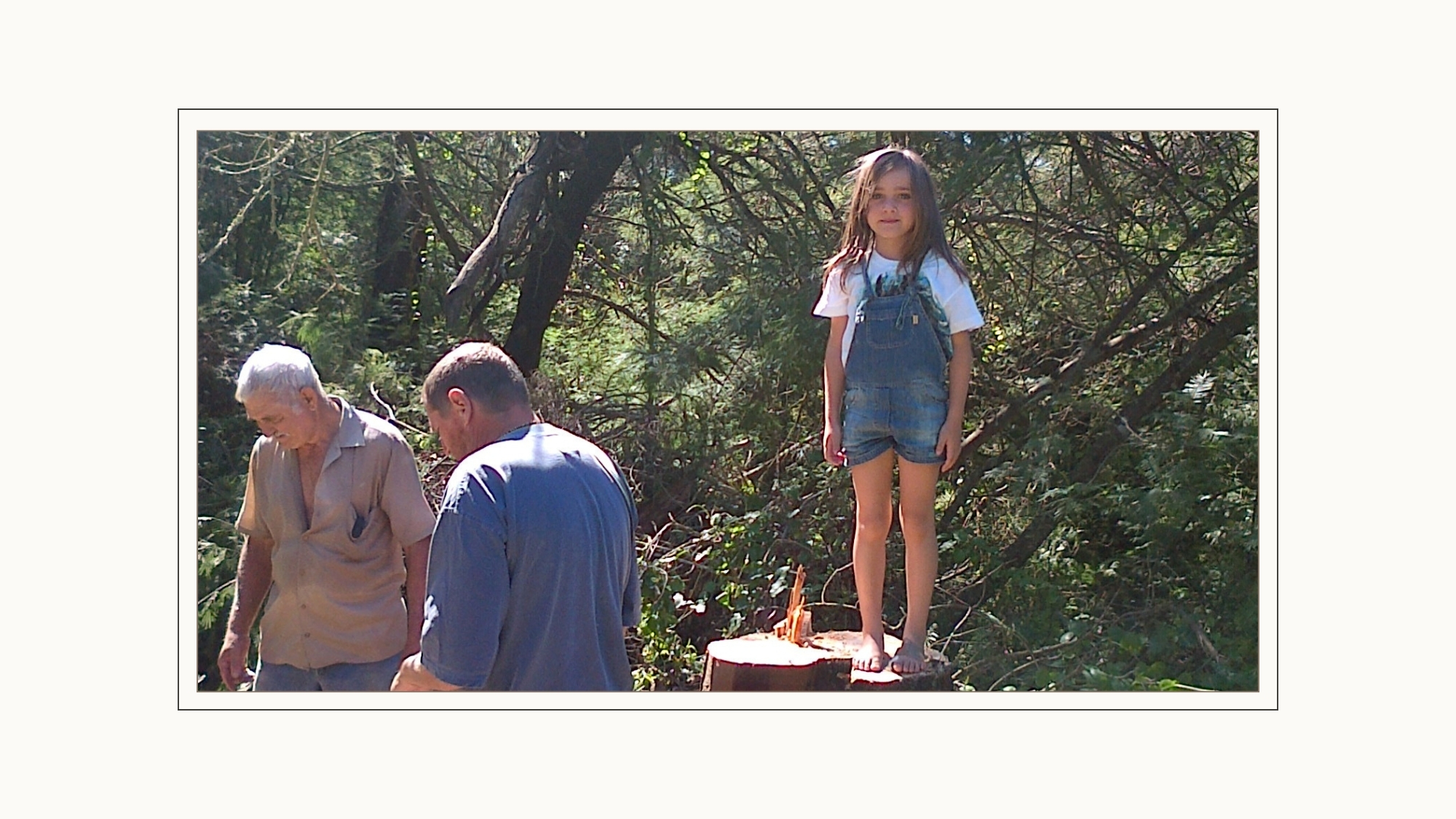
On our first night, an ostrich truck got stuck against a tree. The answer seemed obvious: work around it. Months later, the answer was no longer so simple.
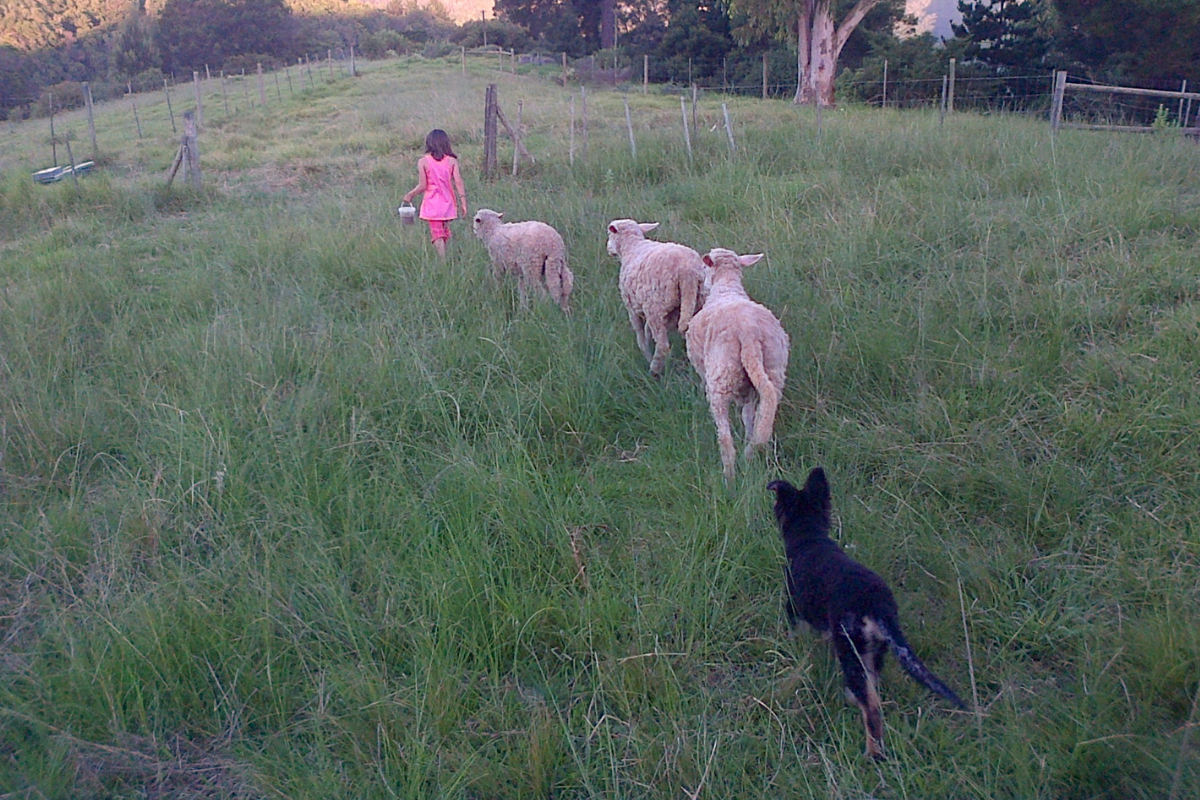
In 2013, while walking across the farm and trying to work out the finances, I realised I needed another thousand rand—not ten. The pressure remained, but the solution had become infinitely easier.
The Number of Zeros Read Post »
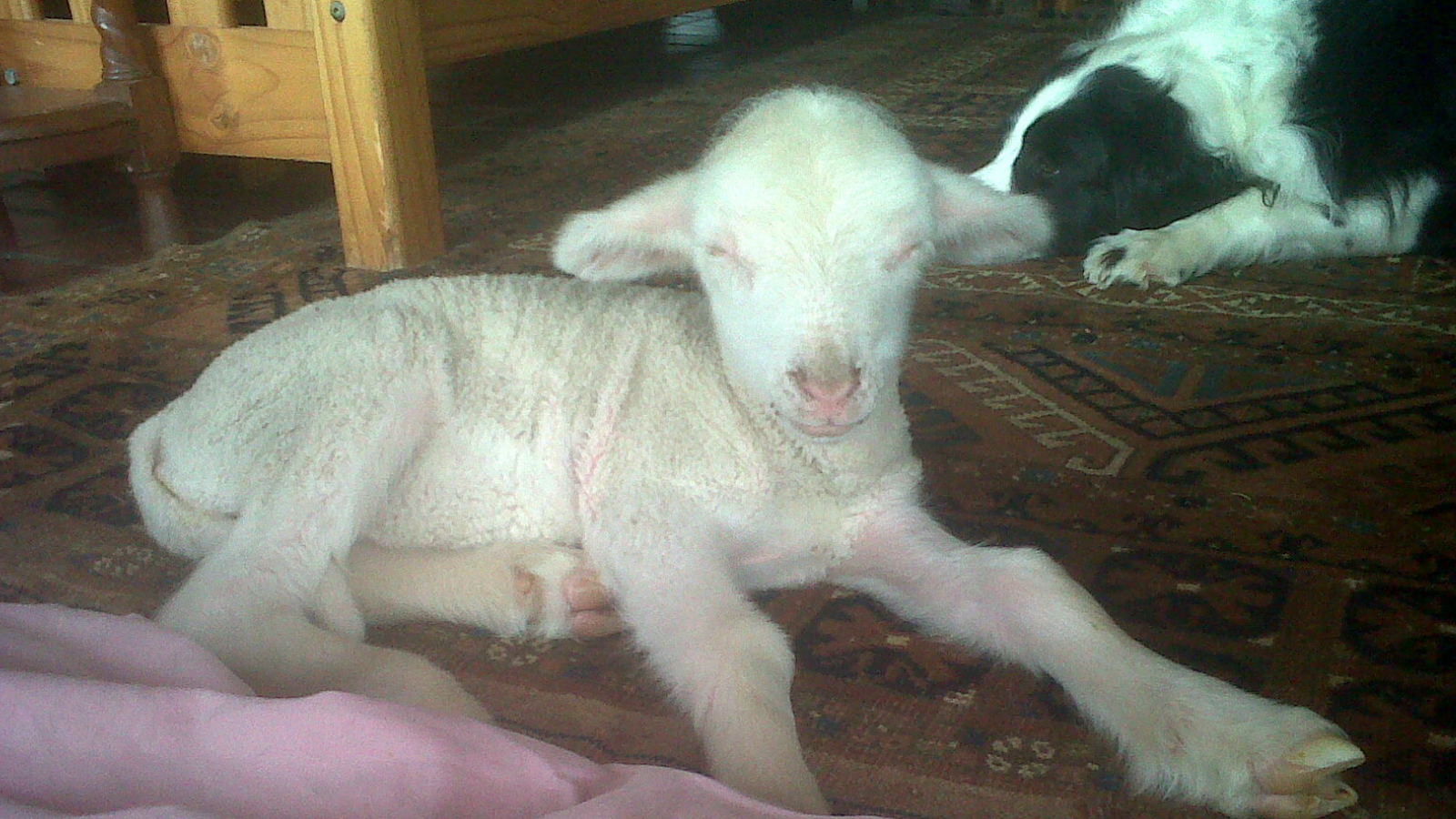
Before we owned the farm, we were already living pieces of the life we imagined: orphan lambs in the lounge, dogs who accepted everyone, and a tiny piglet who thought the bacon belonged to her.
Is that a sheep… in the house? Read Post »
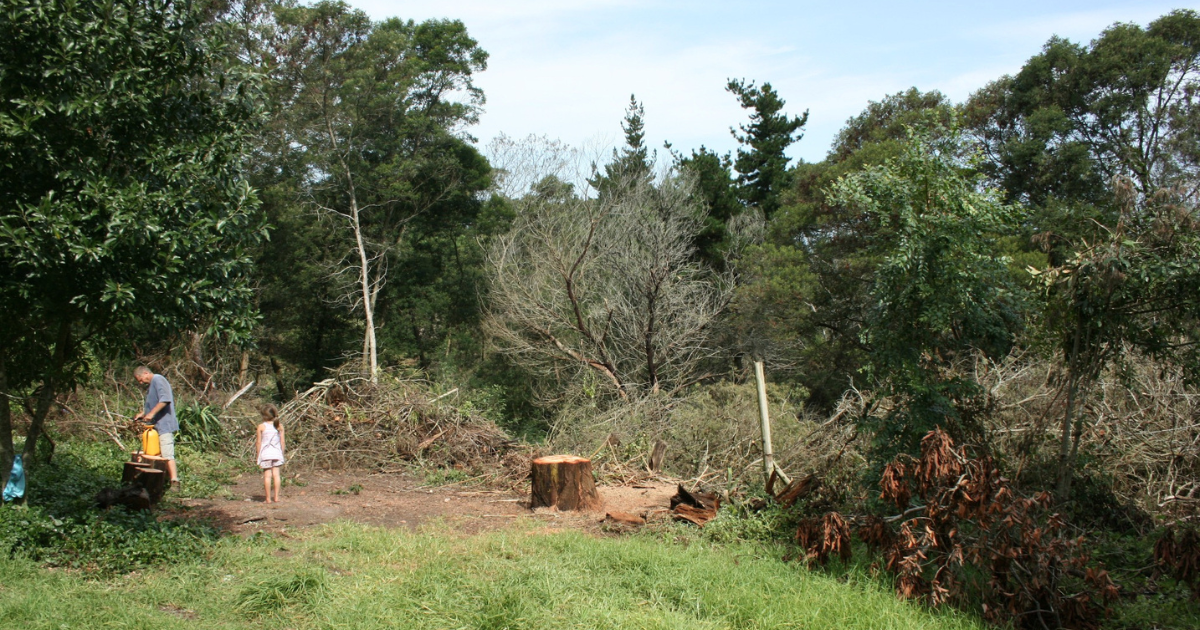
We arrived on the farm believing it was a project: assess the situation, make a plan, do the work. Fourteen years later, the land has taught me something different. Projects move towards completion. Living systems do not.

We simply started paying attention to what money was costing — not the price, but the exchange.

After abandoning one life and dismantling the next, we began asking a different question: how little did we actually need in order to build something good?
How Little Do We Actually Need? Read Post »
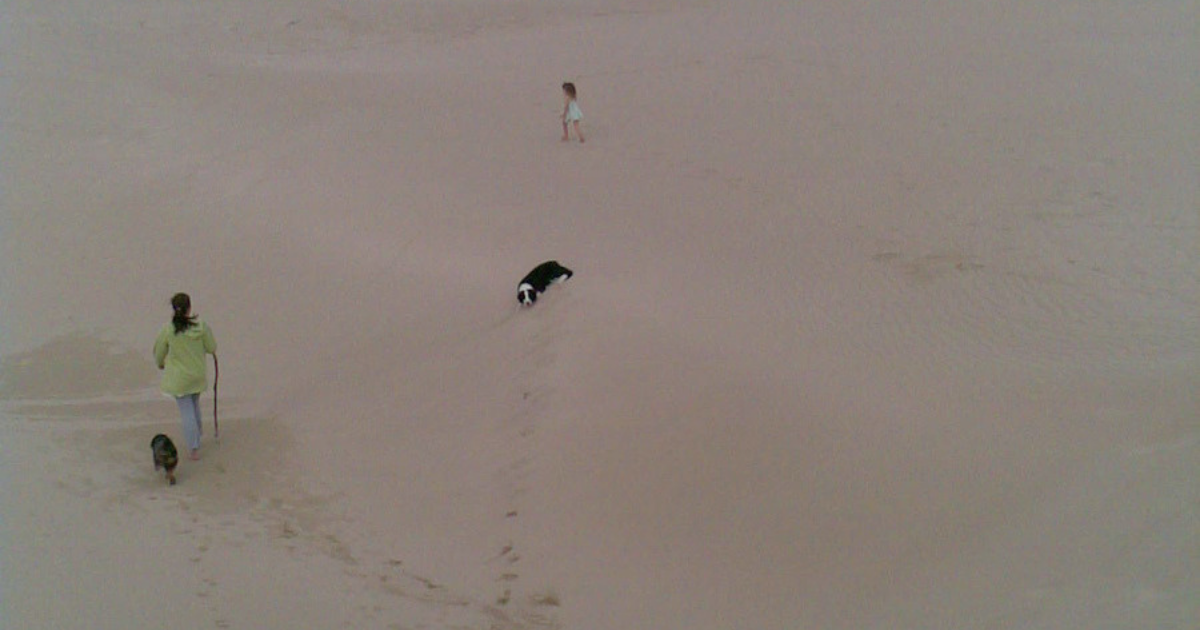
Some phases of life are not transitions. They are dismantling phases — where the old structure stops holding long before the new one exists.
The Dismantling Phase Read Post »
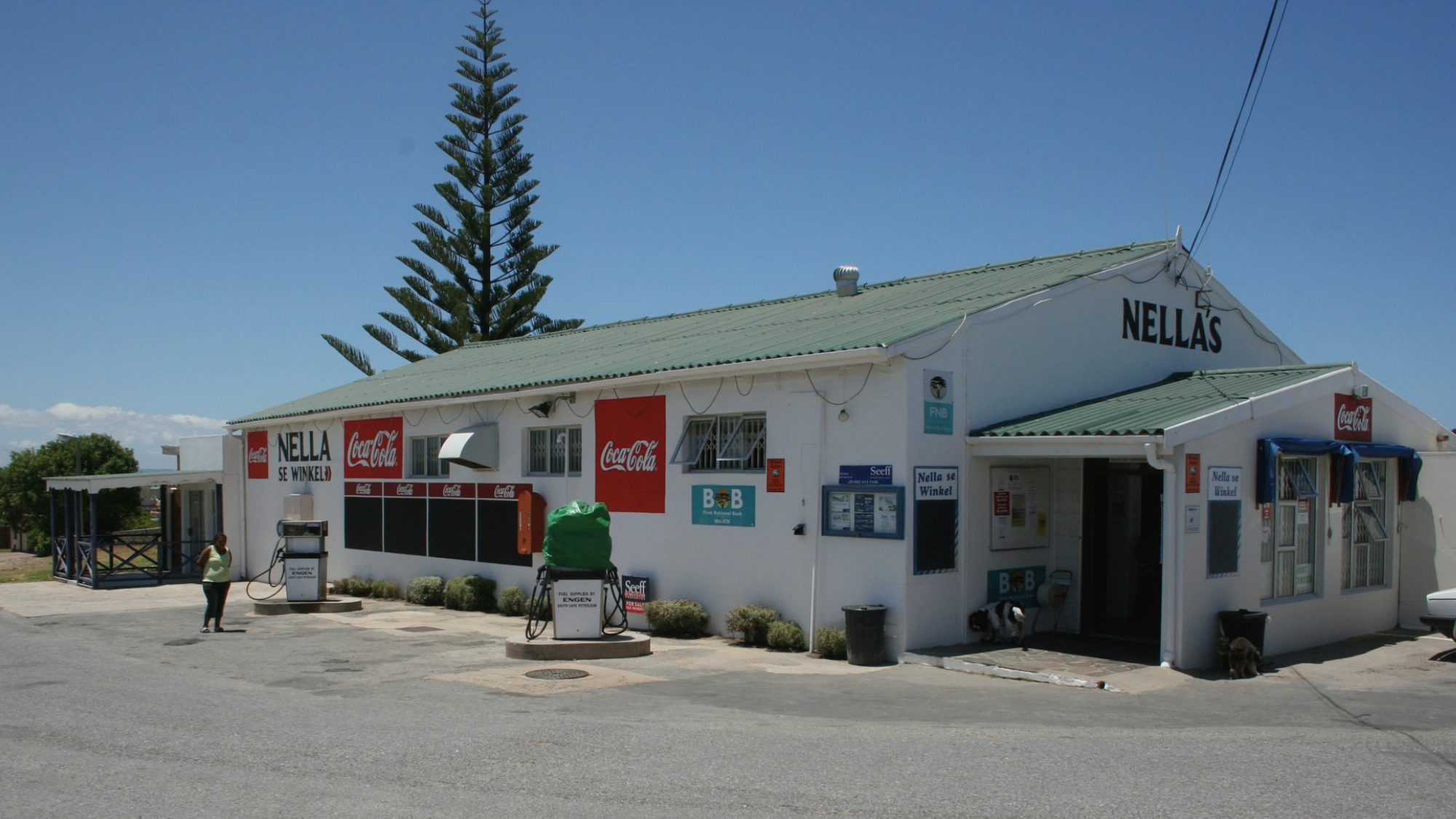
What happens when something still works — but no longer feels like yours? This essay explores the cost of staying too long, and the quiet moment where misfit becomes undeniable.
When Something Can Be Saved — But Shouldn’t Be Read Post »
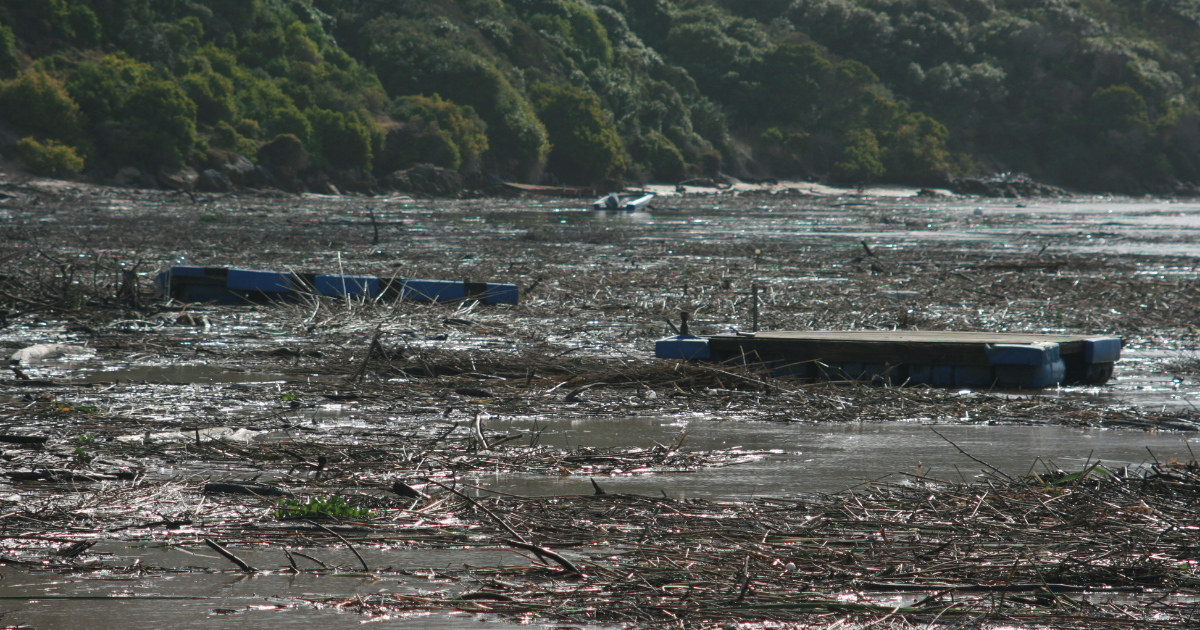
There are seasons where nothing breaks all at once.
It stops working.
The place changes. What you rely on disappears. And slowly, there’s nowhere left to step out of it.
When Everything Closes In Read Post »

What looks like conflict often begins much earlier — in proximity. A reflection on how closeness reveals the unseen forces shaping how we think, relate, and understand each other.
The Pressure of Proximity Read Post »